AI Meet RI: Planning and Design that Work
Across markets, cities, and project types, one constant has always driven successful development: aligning design metrics with the developer’s pro forma from the outset. Architects are naturally drawn to vision and creativity, while developers balance that passion with the need for financial viability. AI now offers a powerful bridge—bringing creative intent and financial reality into alignment earlier than ever before to ensure the deal is truly a deal.
AI acts as a secret map guiding designers through the complex maze of the design process—especially during the visioning and feasibility phases, where multiple paths are explored, some leading to dead ends and others looping back to viable concepts. Designers often face obstacles that require backtracking and reevaluating direction through trial and error, all in pursuit of a solution that works both creatively and financially. This is where AI-driven generative space planning proves most impactful, helping align design intent with the developer’s pro forma from the outset.
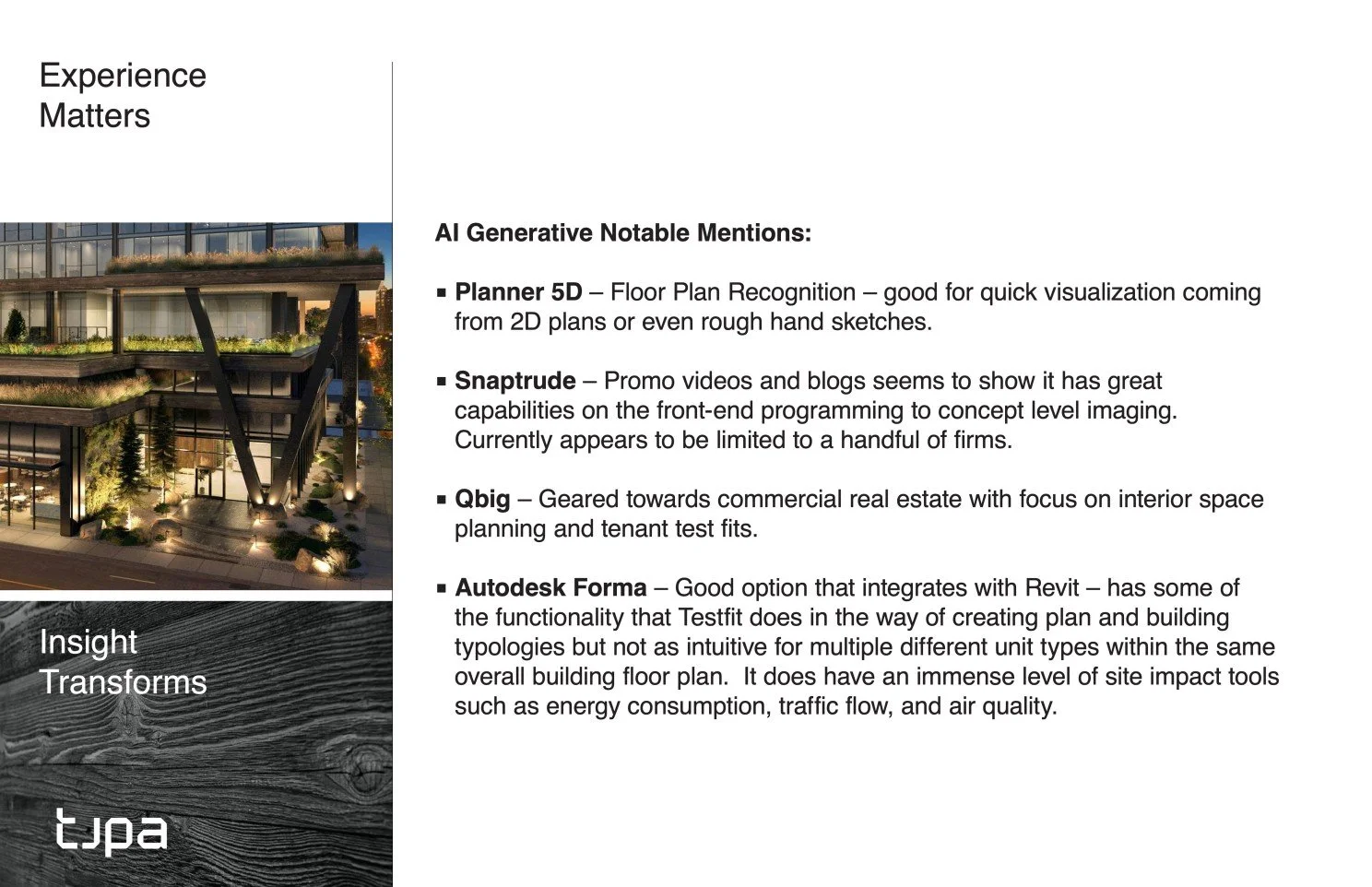
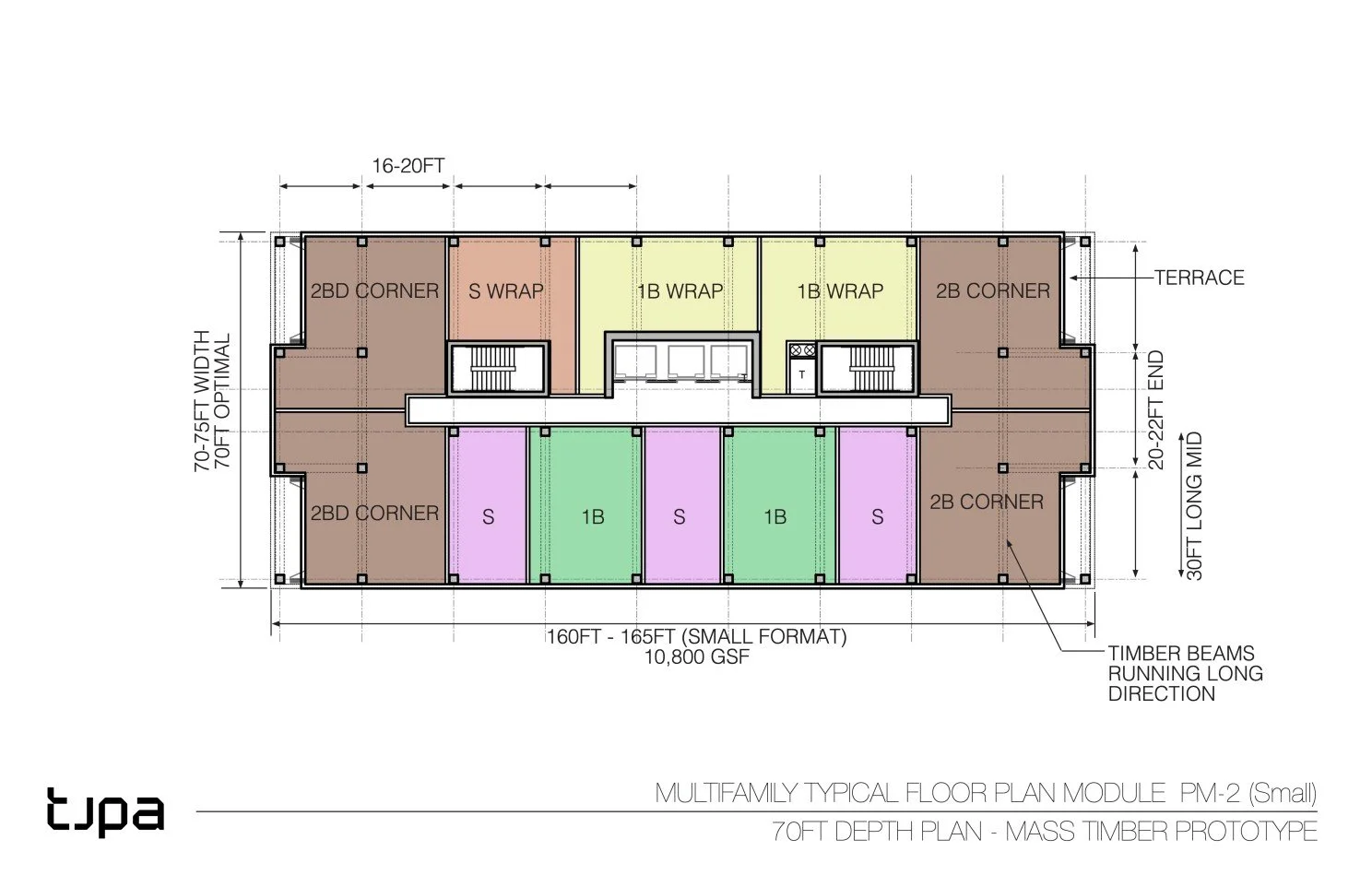
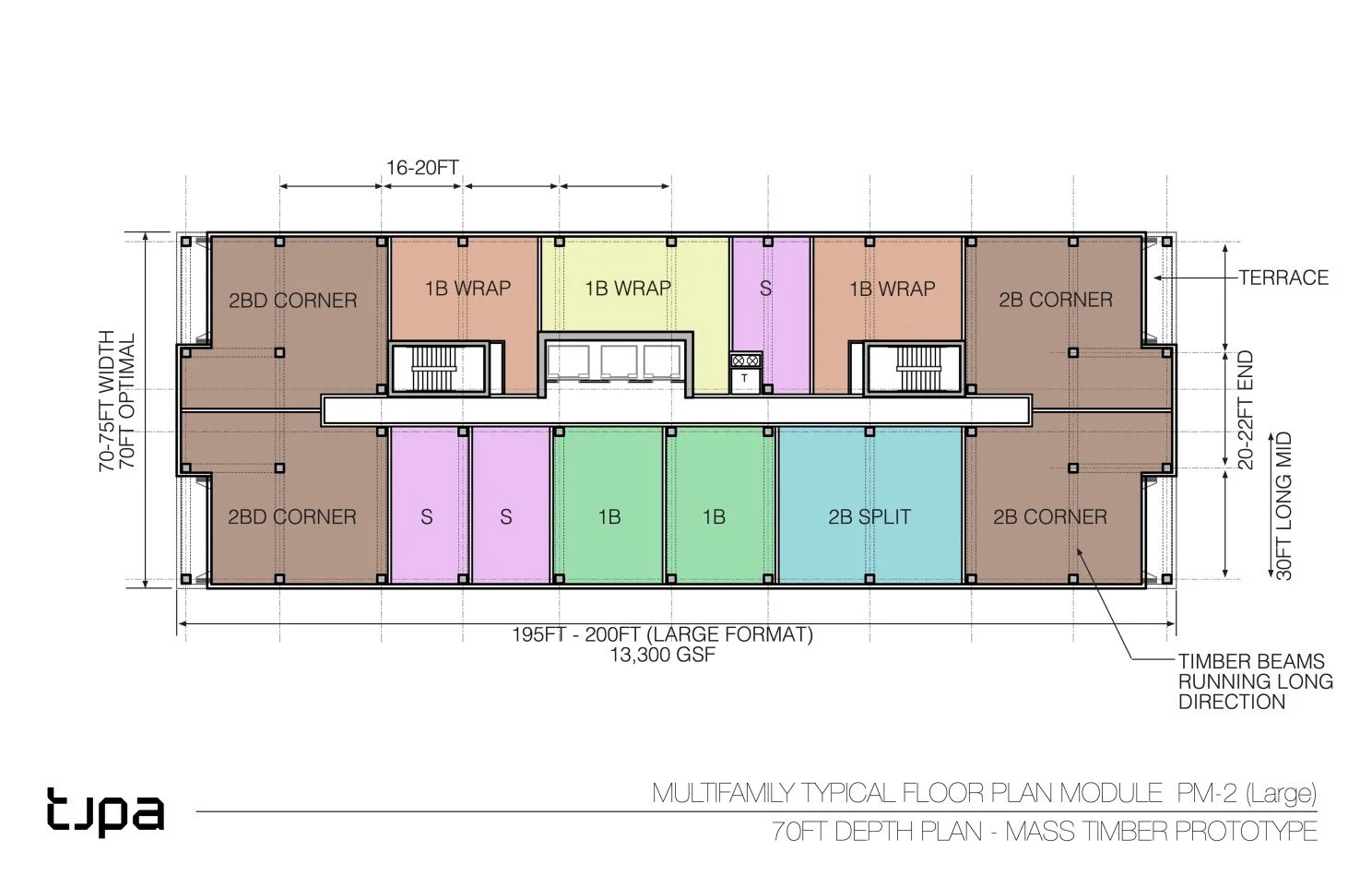
There are some great AI-driven software solutions out there (some shown below), but one in particular, in my opinion, best aligns with the practicalities of development-driven design: the ability to create prototypes ranging from entire building typologies to individual unit modules, with the flexibility to manipulate and adjust unit mix ratios across numerous design options. TestFit is a program I like to use to vet sites early on.
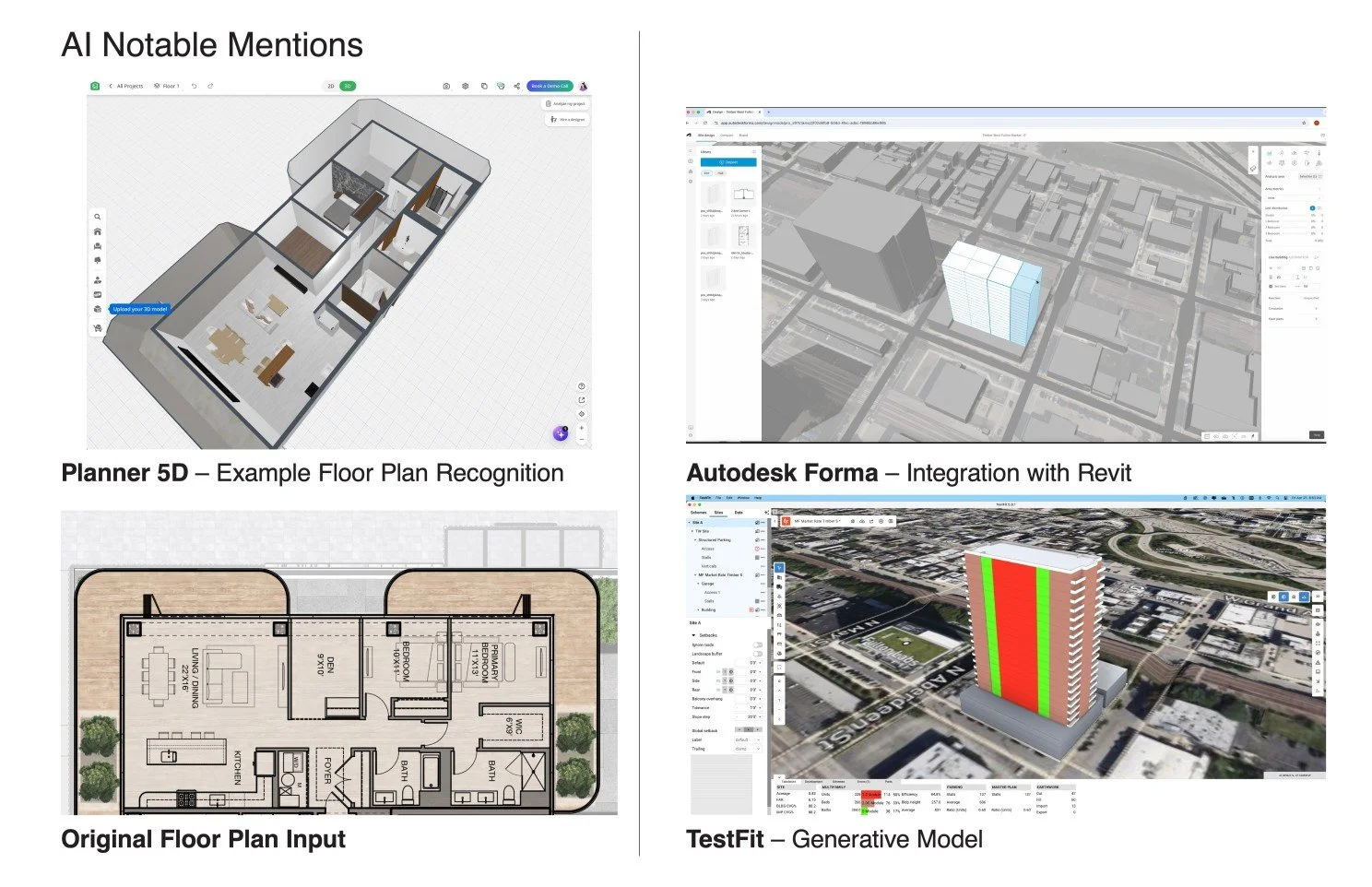
By combining AI-driven space planning with my real-world experience in designing millions of square feet of development and thousands of units, I’m able to quickly and accurately vet sites using proven modules that apply across a wide range of project types—streamlining the path to successful developments.
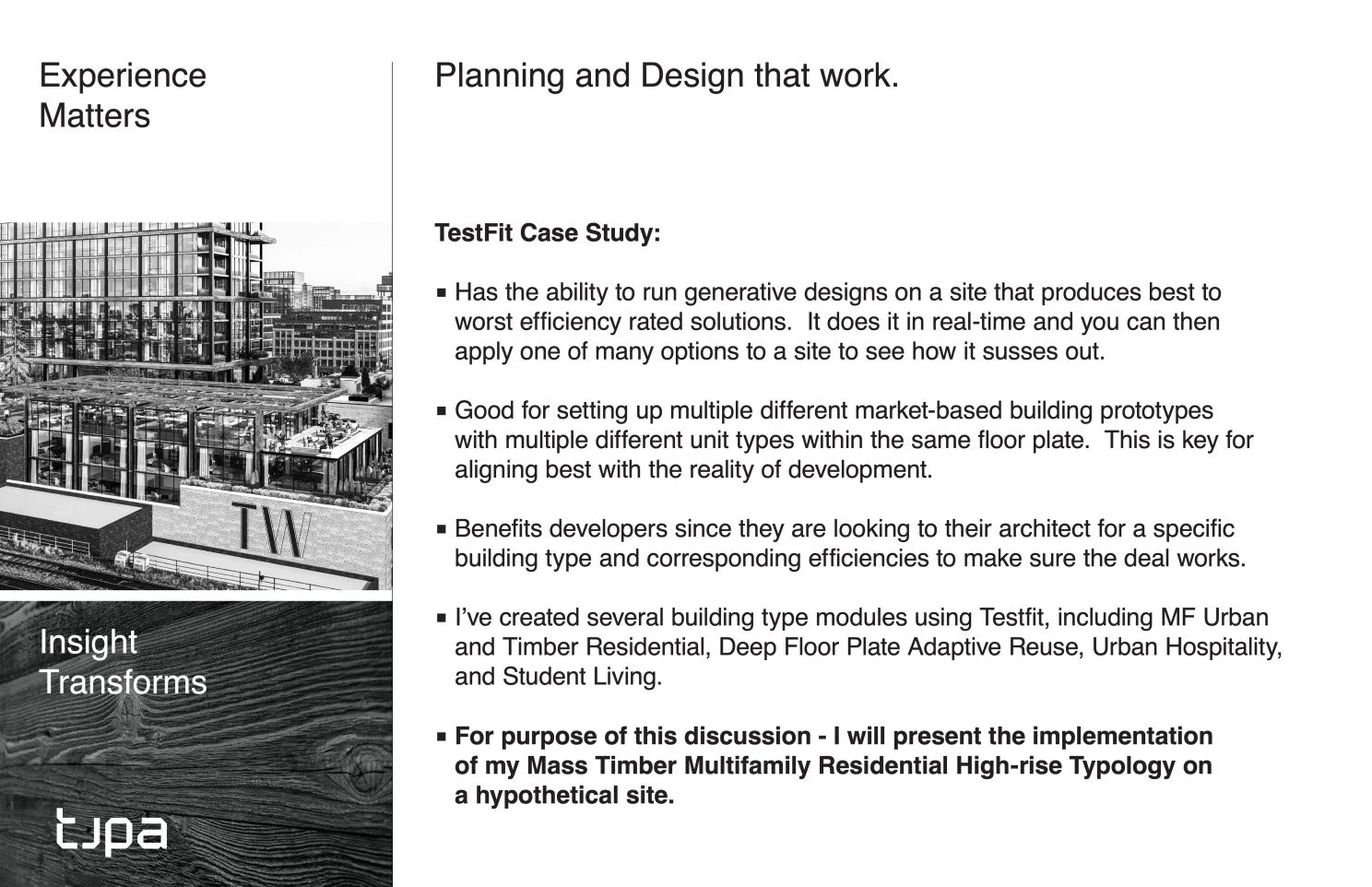
I wanted to test a mass timber prototype on a site with a few constraints. I started with a collection of sites—including 1044–48 W. Kinzie, bordered by Aberdeen and Carpenter—as a hypothetical case study for how a high-rise mass timber project could be a great fit for Fulton Market. The assemblage includes a public alley that bisects the property, along with an existing contextual building on the orange list. I saw this as an opportunity to integrate a lower-density hospitality use as part of an adaptive reuse strategy that preserves the existing building and introduces diversity to the site program. Timber would be an ideal way to build upon the existing structure.
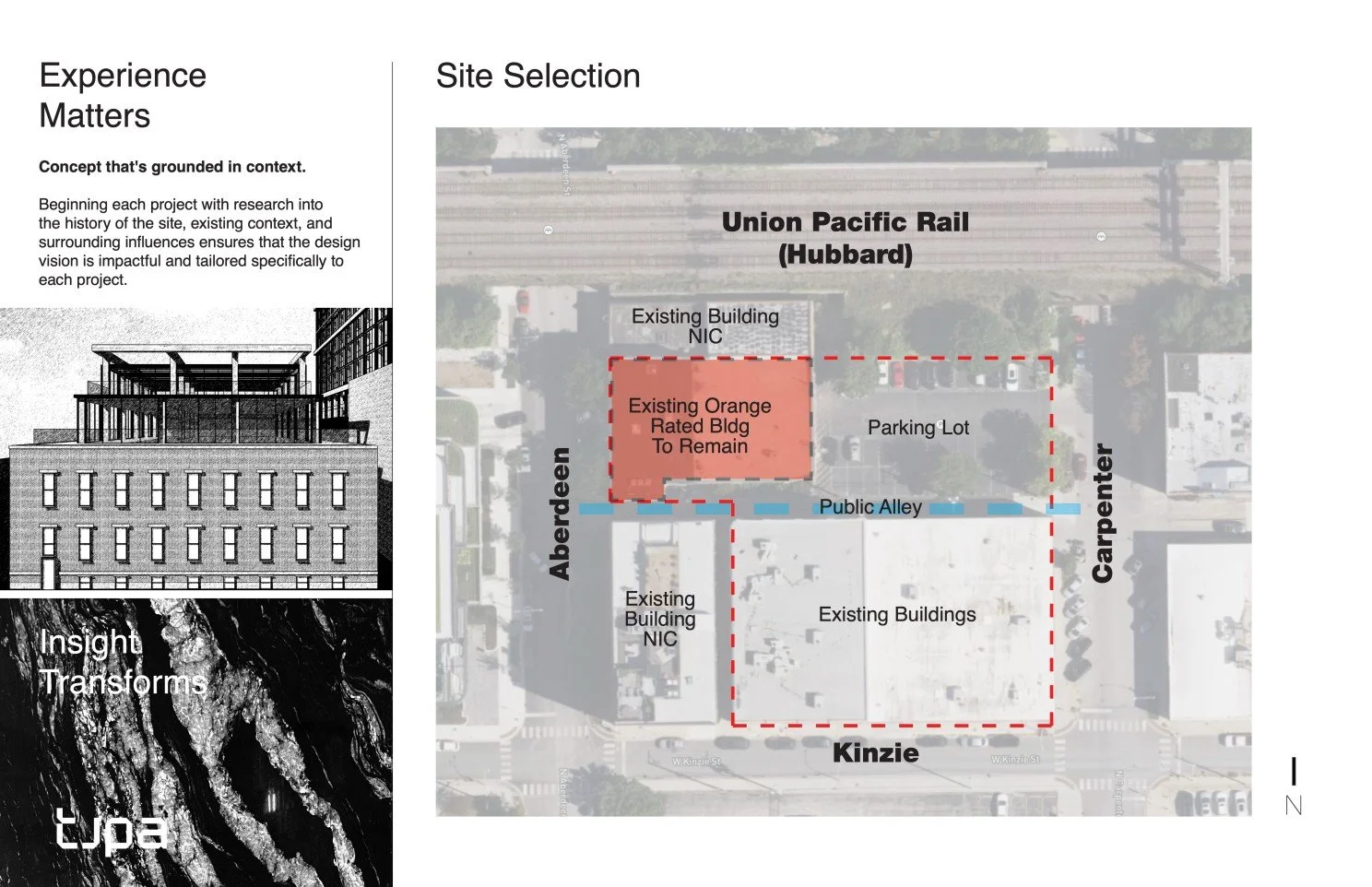
Hypothetical site along the Kinzie Corridor - Fulton Market
Generative space planning gives a level of confidence in the design metrics to move forward with visioning and conceptual design.
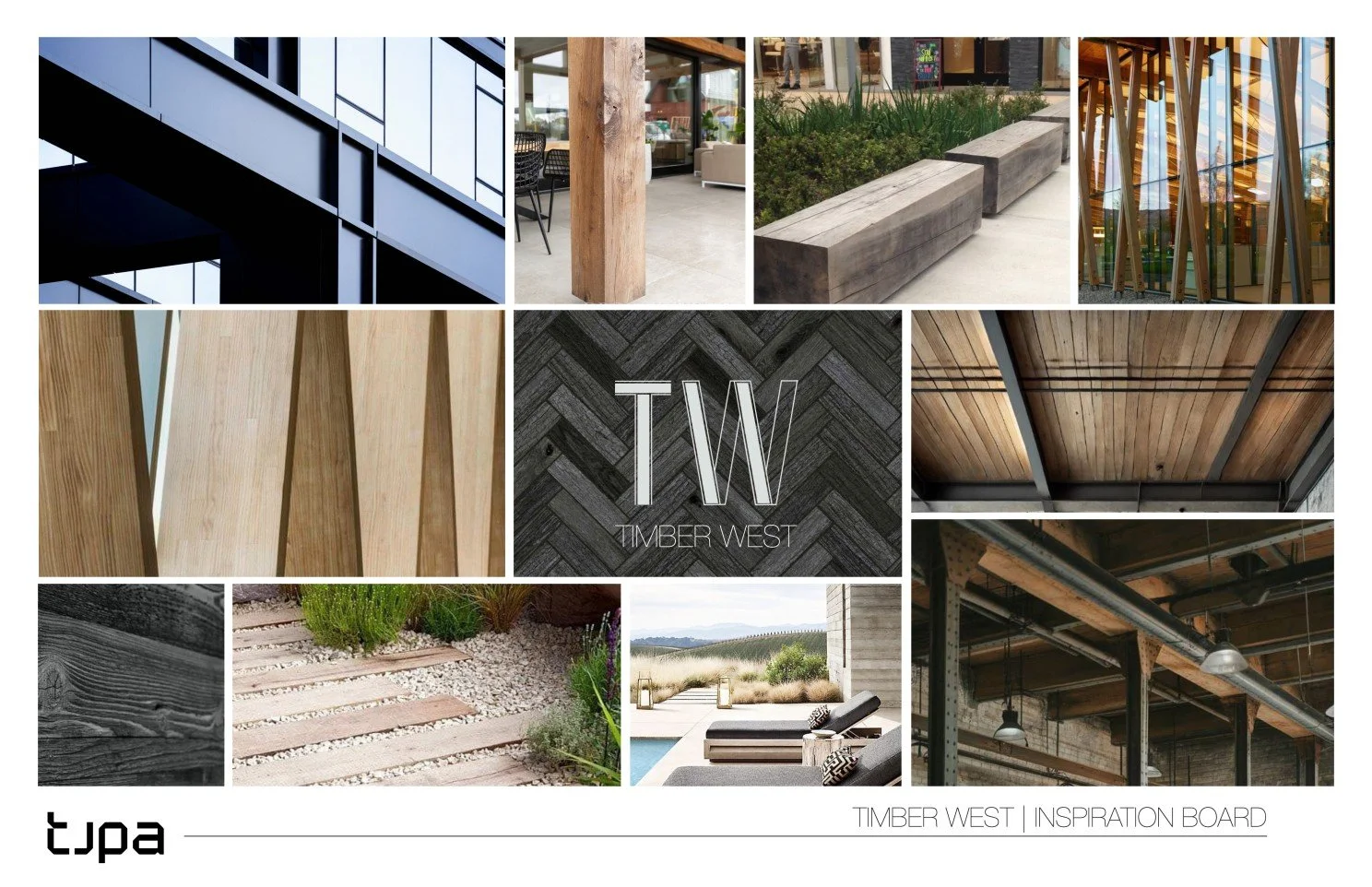
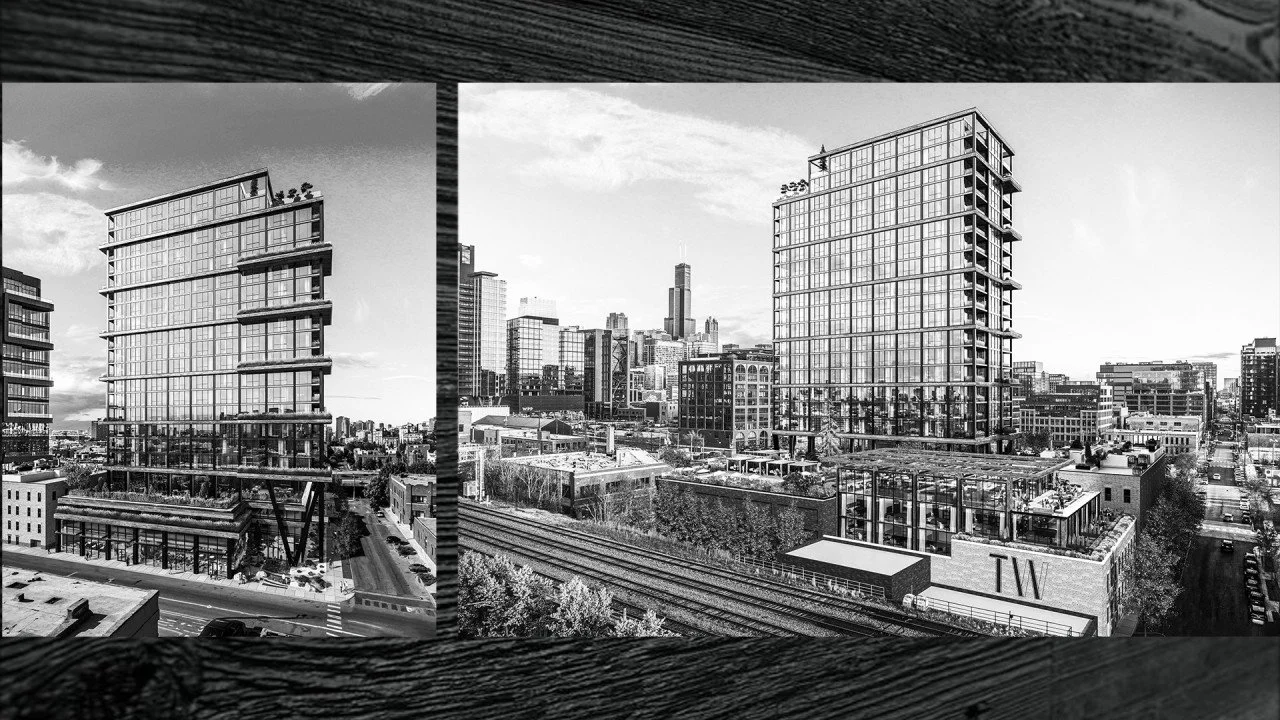
The Timber West brand concept is the culmination of my mass timber experience, supported by a deep background in legacy heavy timber structures within the adaptive reuse space, along with influences from the luxury multifamily residential and hospitality markets. It draws inspiration from Chicago’s rich architectural heritage, design legacy, and industrial roots. Reflecting the architectural diversity of one of the city’s fastest-growing neighborhoods, it blends downtown’s modern high-rise aesthetic with the industrial-era warehouse and timber loft influences of the West Loop. TW merges the warmth and strength of timber with the raw, industrial noir character of the West Loop and Fulton Market. Rich, dark tones contrast with the natural lightness and texture of timber, creating a warm yet dynamic material palette.
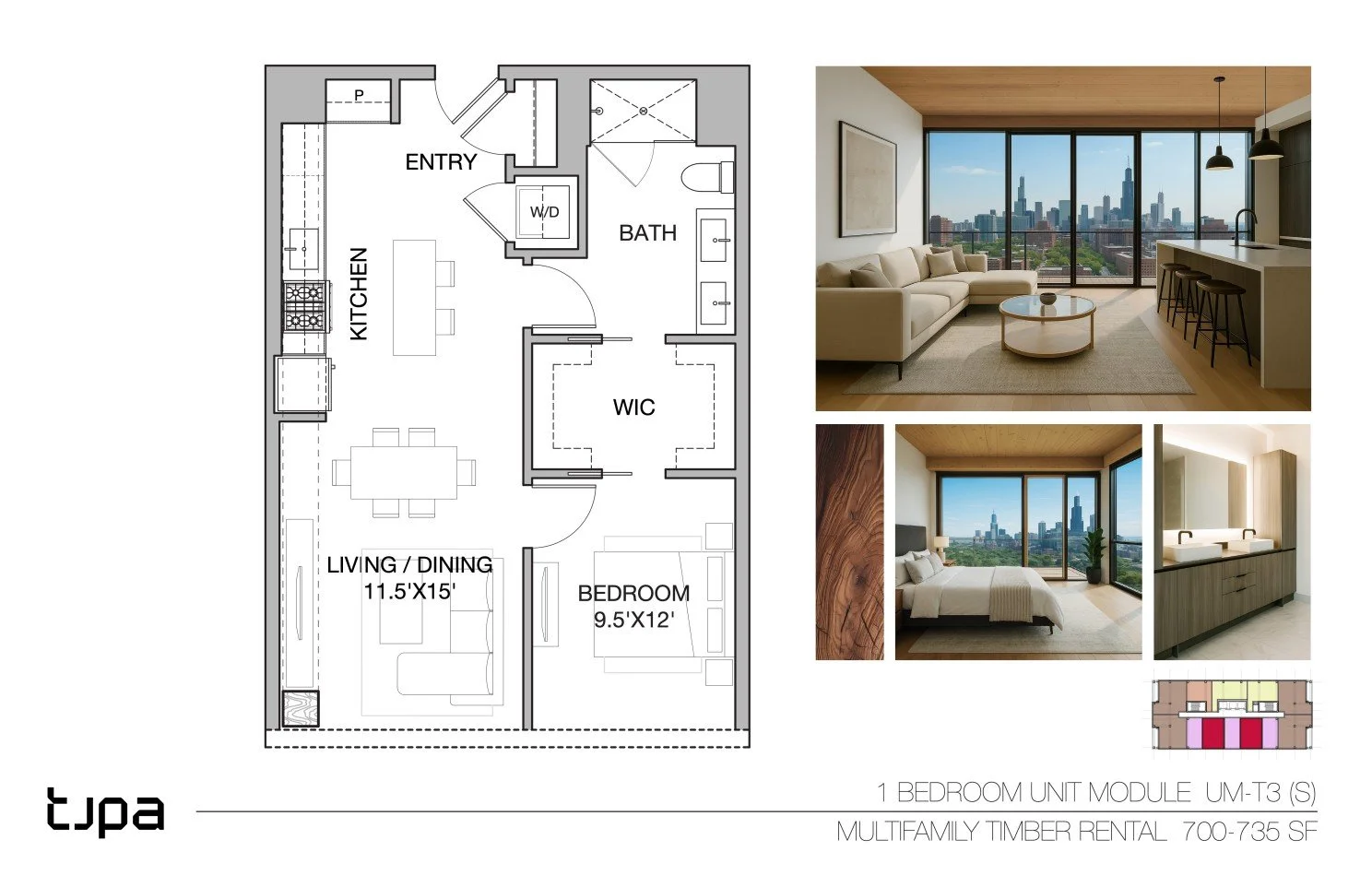

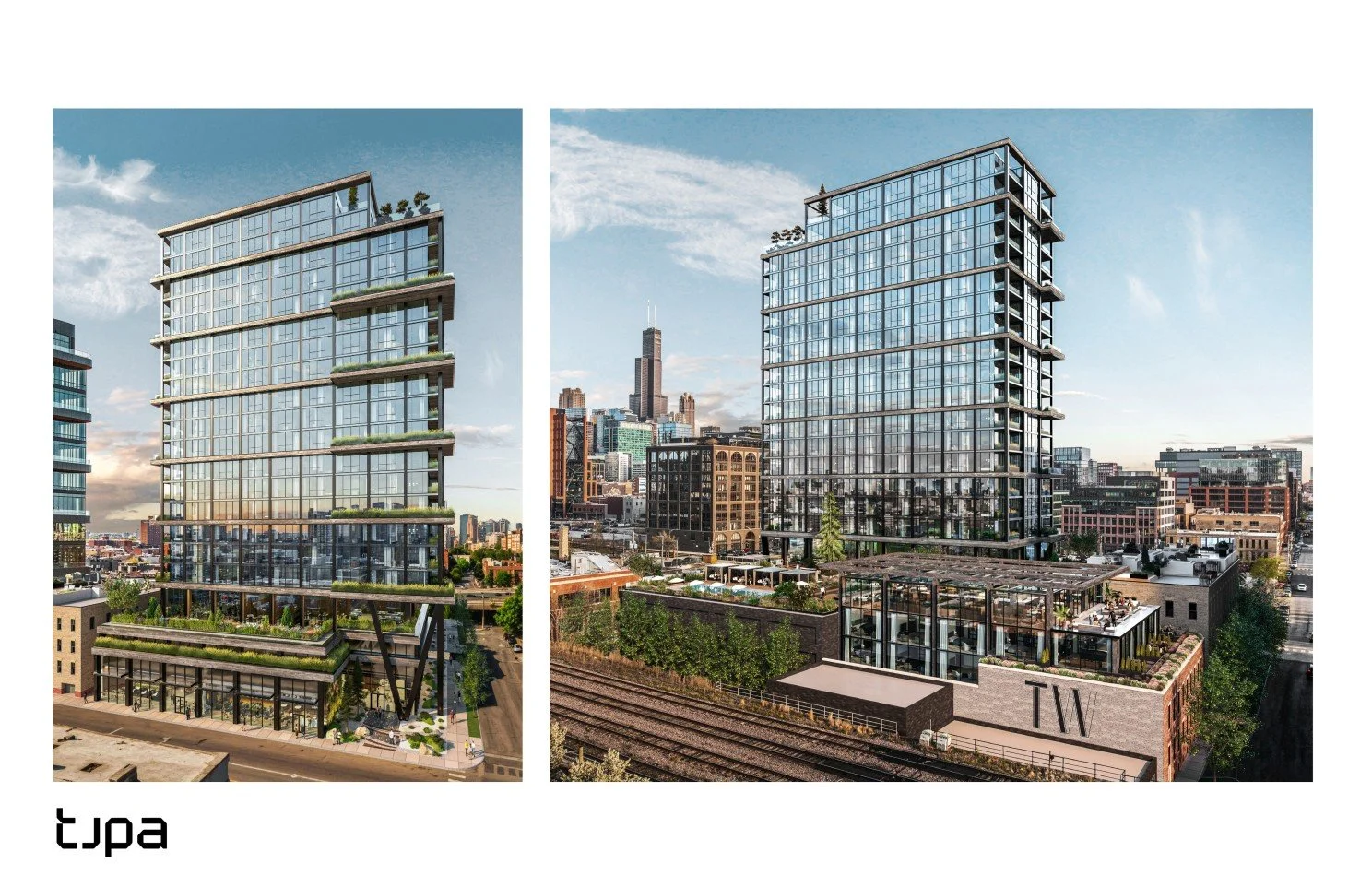
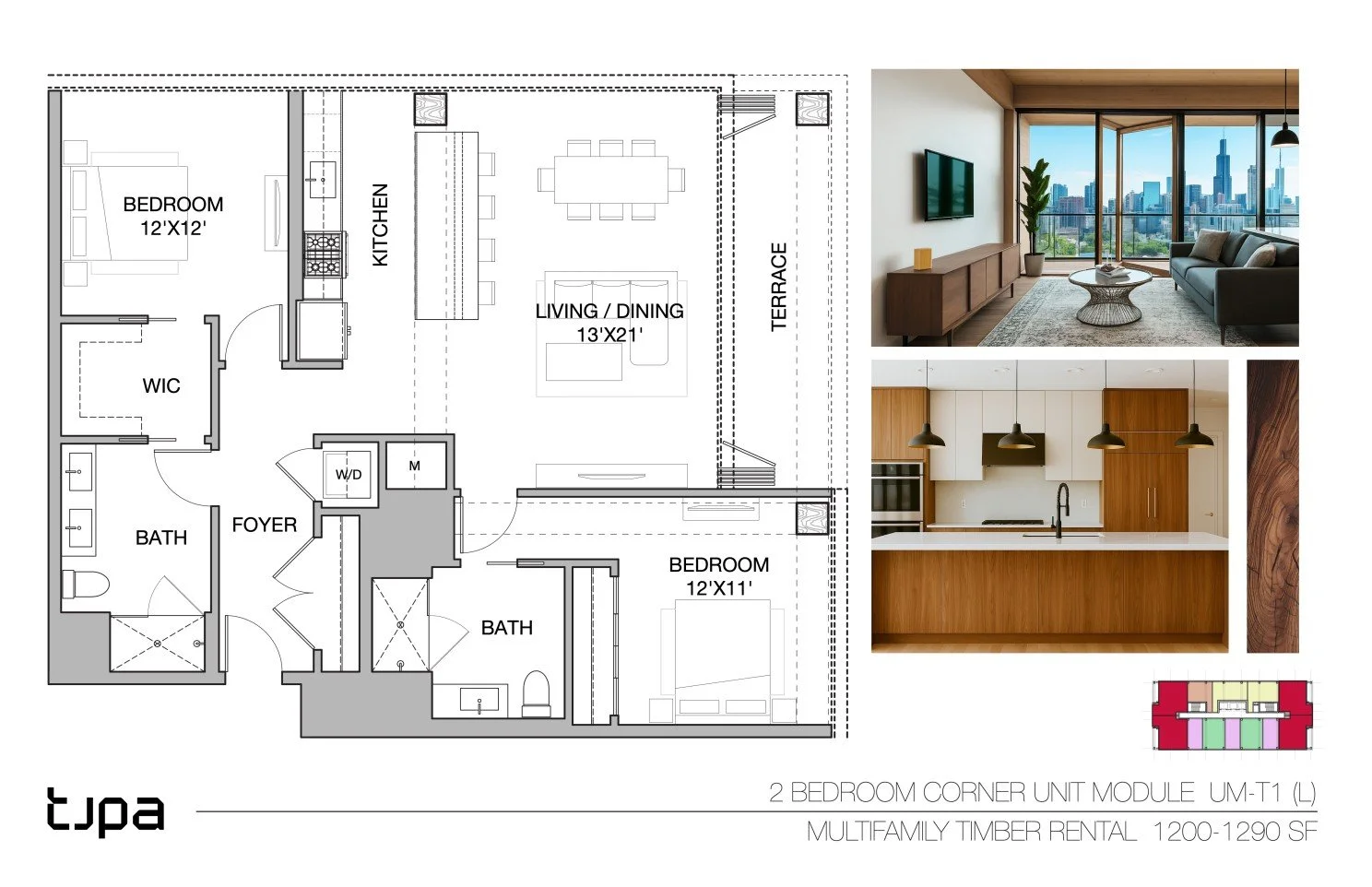
Leveraging AI-enhanced imaging and rendering tools allows me to quickly convey the high-level materiality, mood, and overall feel of a space.
More News