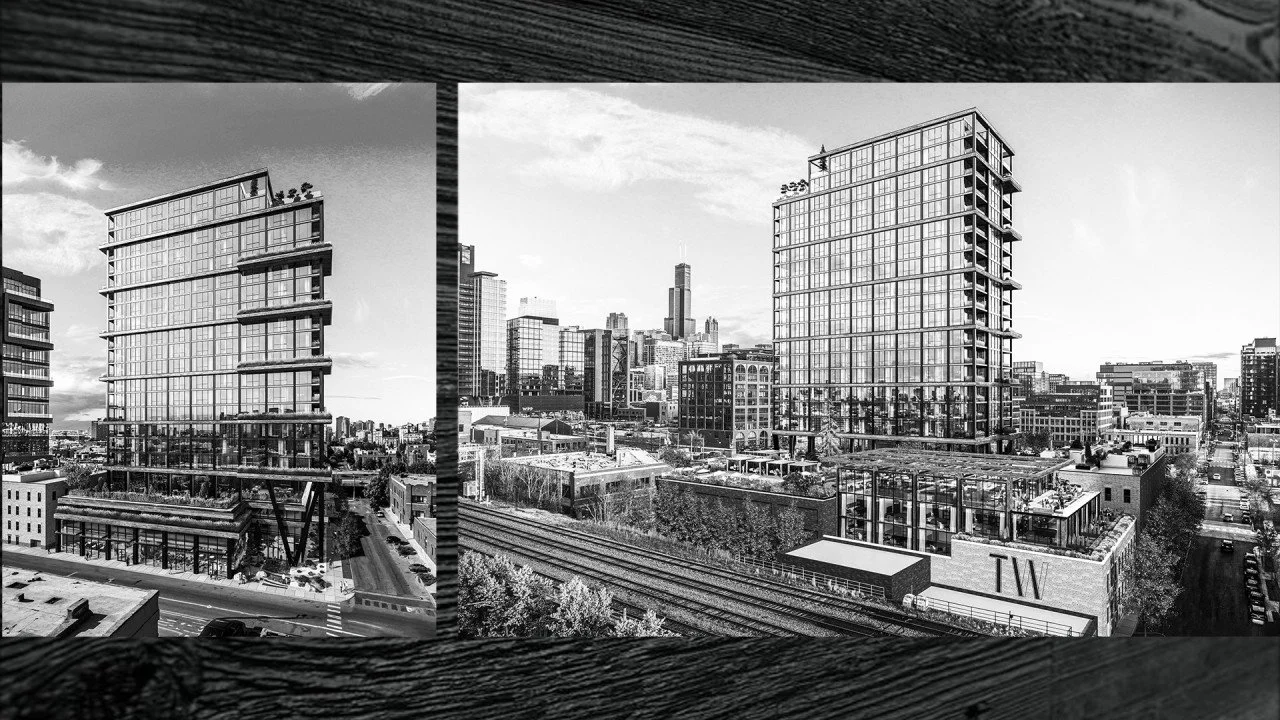
Mass Timber + Adaptive Reuse 100 Years in the Making
Originally a Ford dealership and garage, this 1930s-era industrial building once showcased a vintage lit marquee and still displays projected and glazed brick friezes, along with decorative stone rosettes over an industrial masonry pier and full bay window framework.
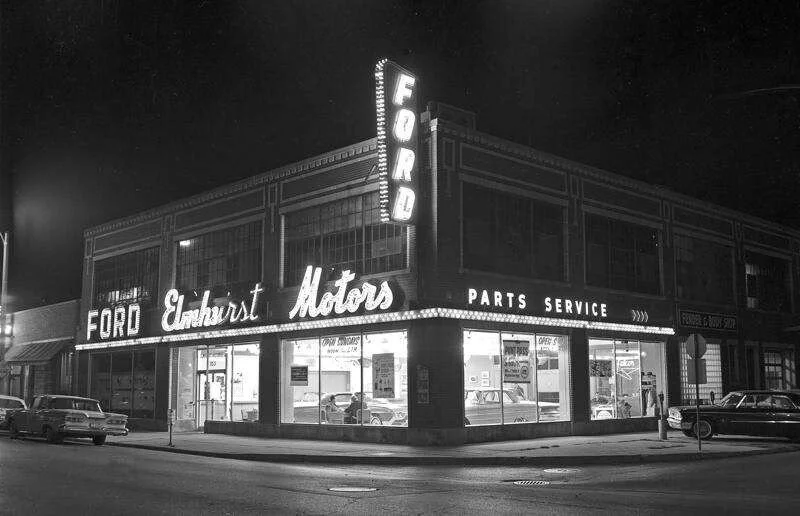
183 N. York, Elmhurst | Elmhurst Ford 1950. Let's bring the beautiful marquee back!
In 1971, my father and his partners converted the building from a Ford dealership into what stands today as a mixed-use retail and professional services building. It also houses Midwest Electric—a business my brother continues to operate to this day.
Adaptive reuse was inadvertently impressed upon me as a 12-year-old running around my father’s shop, salvaging long-lost ’50s and ’60s vintage appliances—for fun. That curiosity about how things were built and how to breathe life back into forgotten objects taught me a valuable lesson in architecture years later.
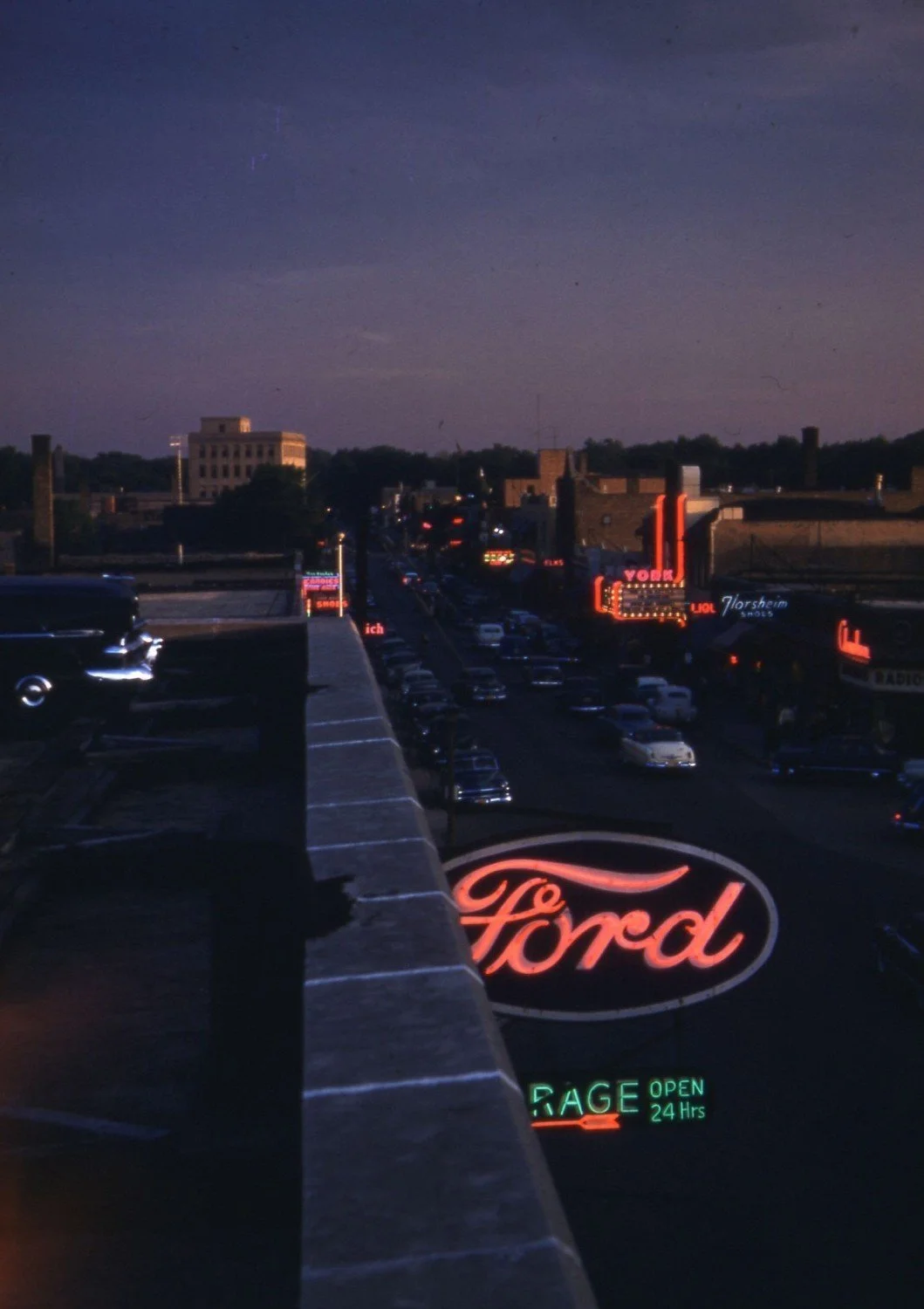
183 N. York | View from the original garage roof deck looking south along York Street 1950.
Today, we’re witnessing a significant uptick in adaptive reuse across the nation—in industrial corridors, struggling commercial zones, and long-forgotten corners of our cities. Much of this development focuses on converting commercial and industrial spaces into what some may consider a more viable use, such as multifamily residential. I’m solidly in that camp—and I would add that now is the perfect time to take advantage of the ideal pairing of truly sustainable design and development, which includes mass timber.
The fusion of mass timber with adaptive reuse makes a lot of sense, given the material’s lightness and structural versatility. A hybrid approach—incorporating mass timber over an existing concrete plinth or garage—broadens the market for infill urban sites, unlocking significant sustainability benefits.
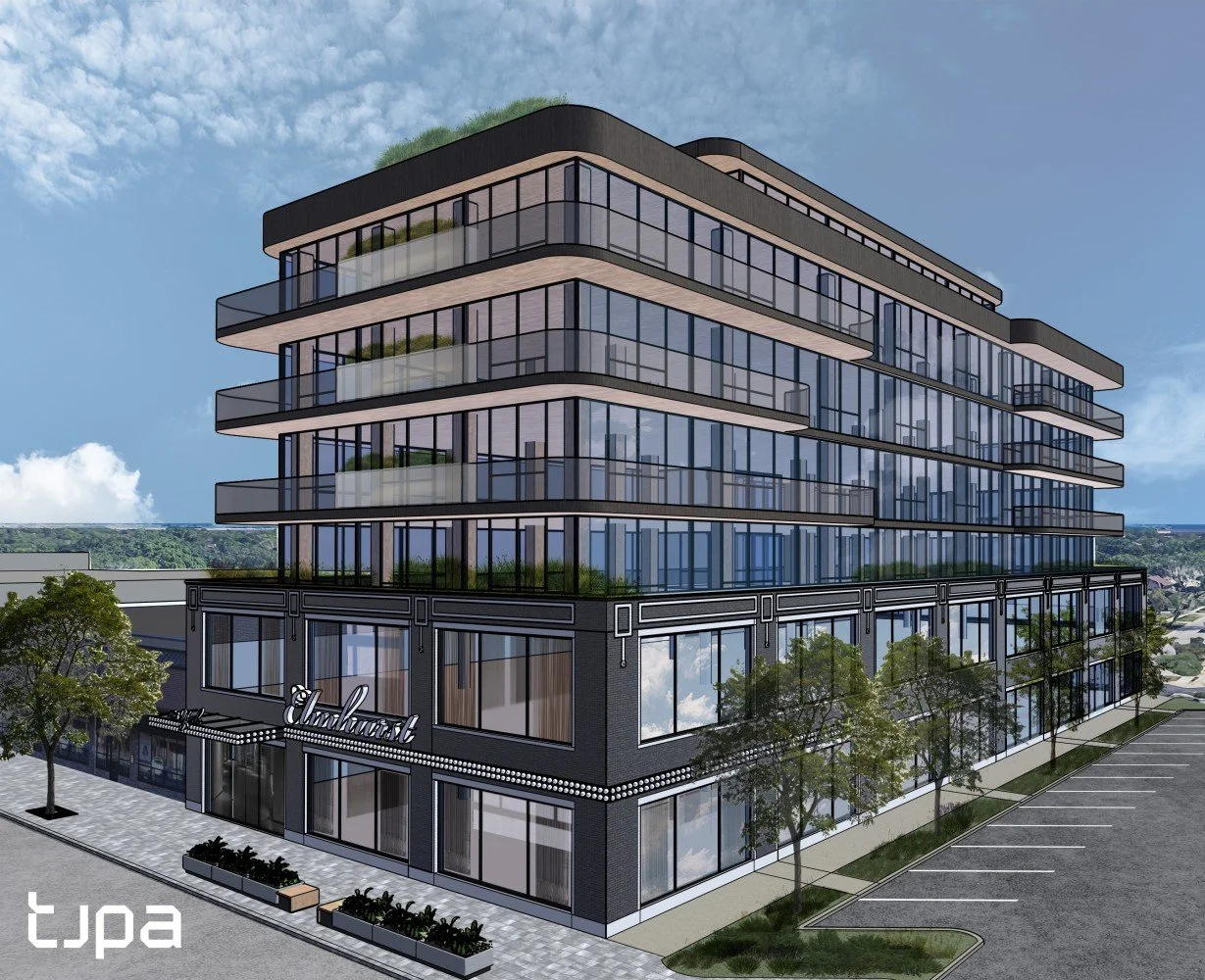
183 N. York | Adaptive Reuse + Mass Timber Addition
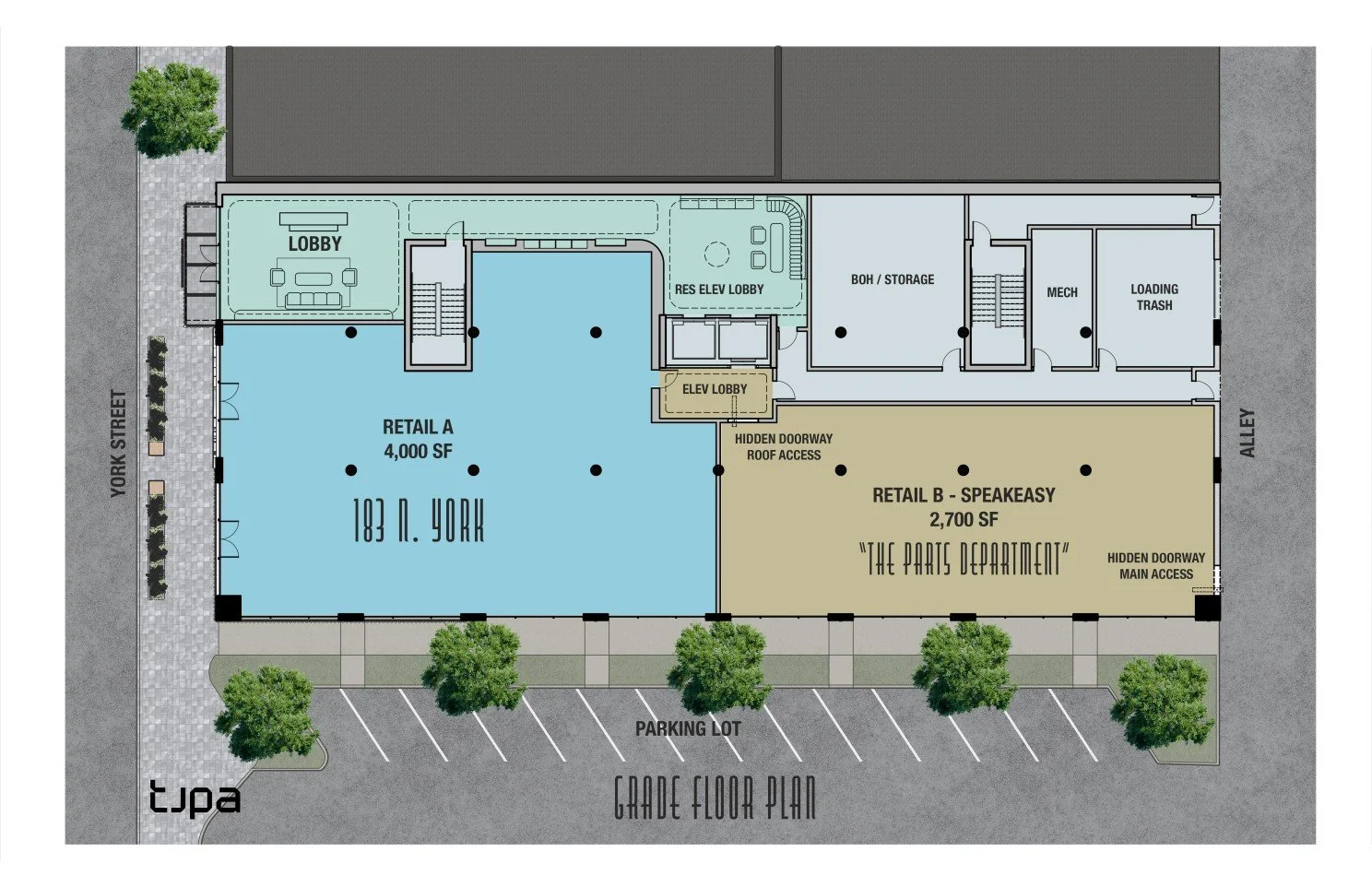
183 N. York | Ground Floor Plan showing front and rear retail zones, a gracious entry along York, and dual service elevator lobby.
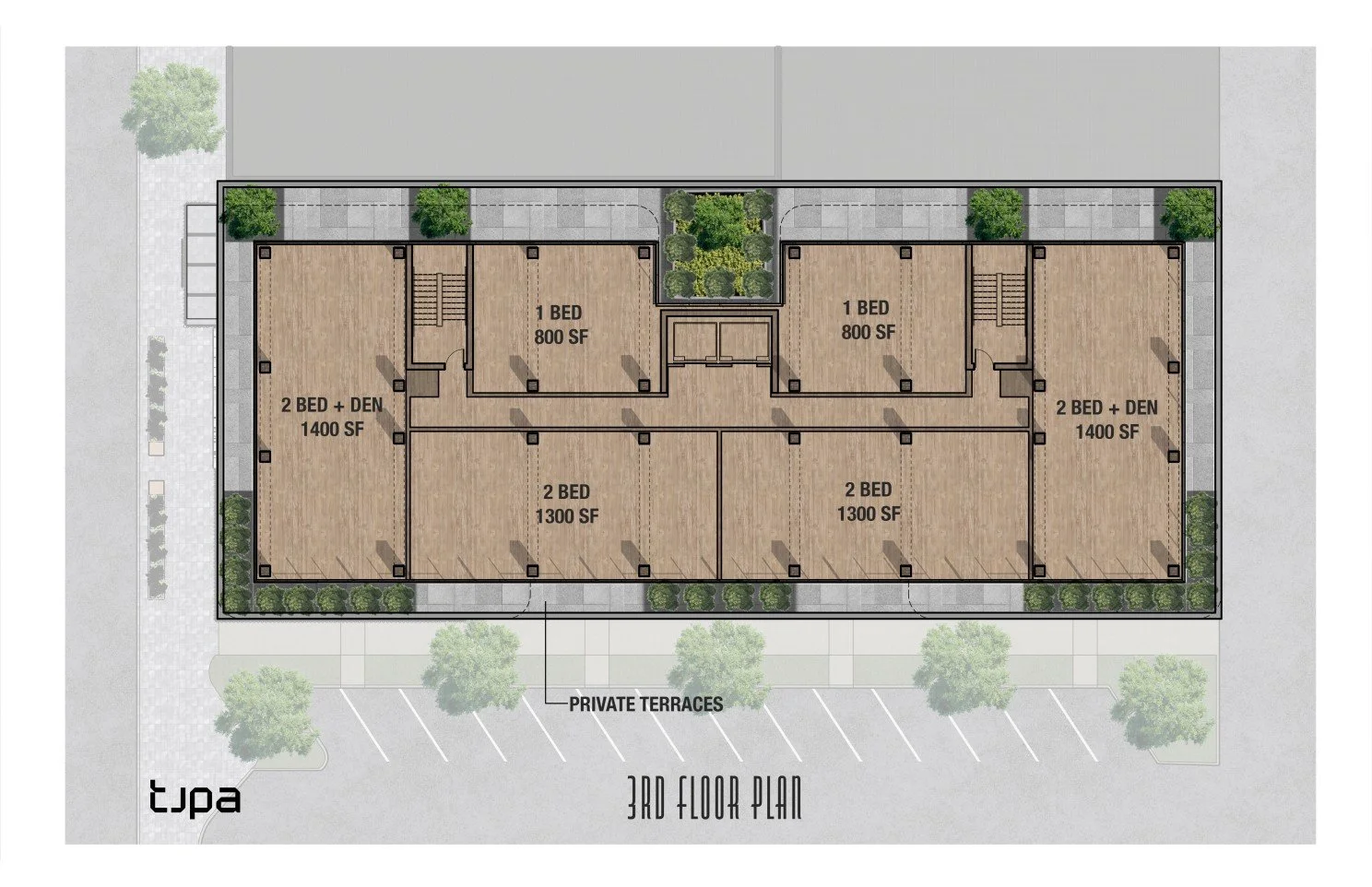
183 N. York | 3rd Floor. The first level of mass timber atop a concrete and steel table slab resets the column grid, optimizing column spacing and provides for open floor plans.
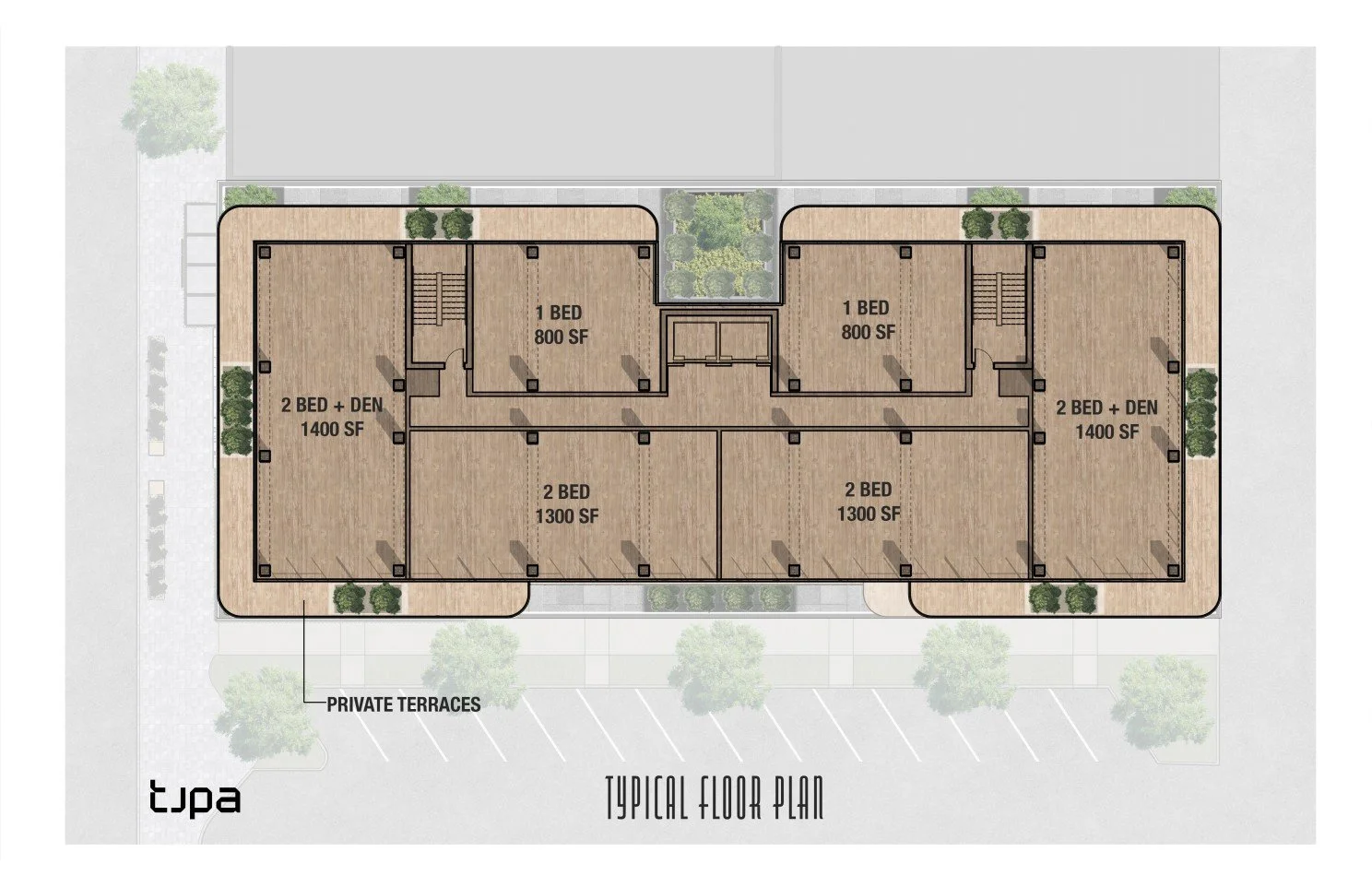
183 N. York | Typical Floor Plan. A small court floods light into the north facing 1 Bedroom units. The branding concept includes large luxury rental units with a focus on natural light, exposed timber, and private outdoor spaces for each tenant.
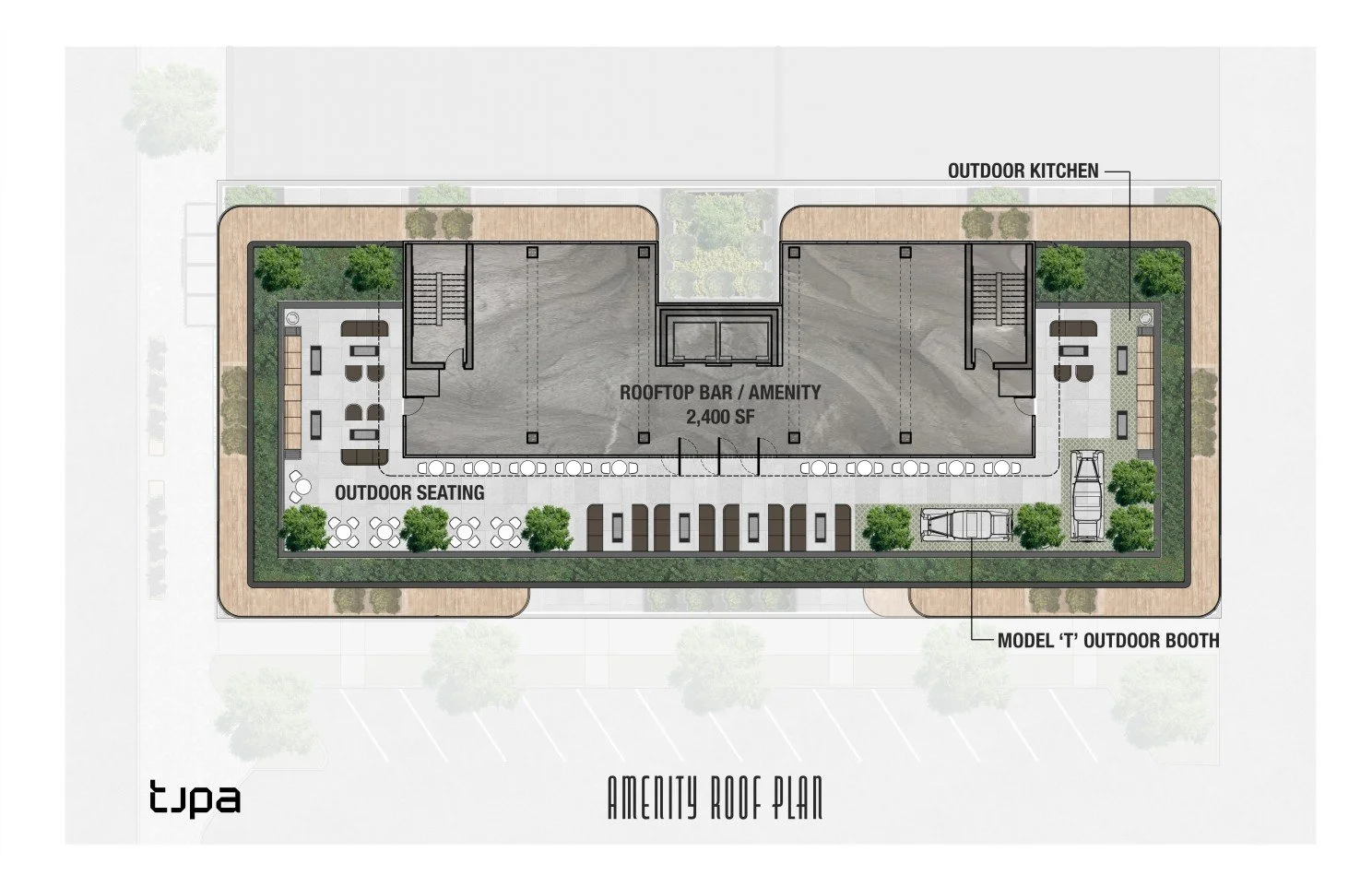
183 N. York | Roof Deck. It's important to link the branding back to the history. Amenity spaces when thoughtfully designed, can be both a wellness retreat along with a playful and vibrant social experience.
More News